
.webp?width=559&height=292&name=2026.07.21%20Fireside%20KV%20-%201200x627%20(event%20featured).webp)
.png?width=383&height=200&name=team%20(1).png)
 Compono


1 min read
How to master hiring for team dynamics and culture fit
 Compono
Hiring for team dynamics is the process of selecting candidates based on how their unique work personality and behaviours will complement existing...
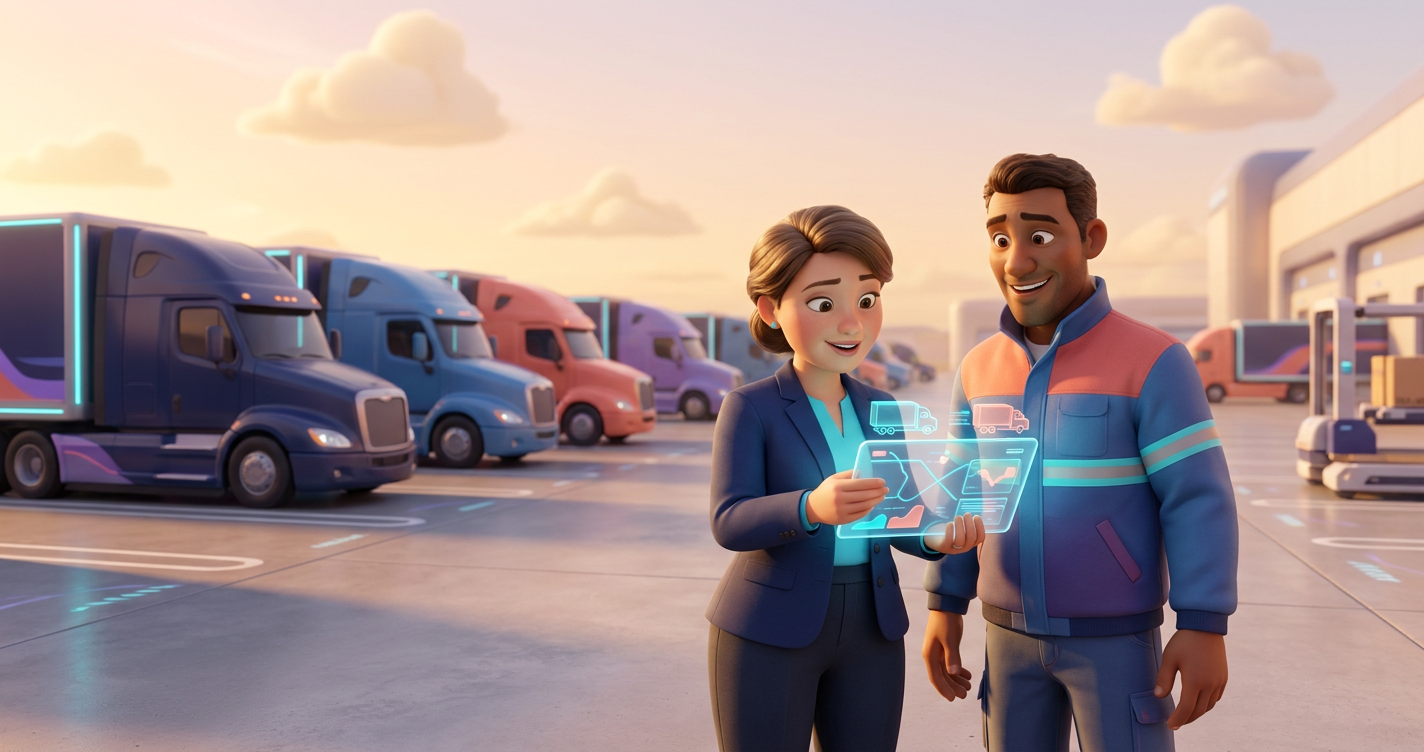
Behavioural hiring in transport works by using psychological insights and work personality assessments to predict how a candidate will handle real-world challenges like safety compliance, route pressure, and team communication.
By looking beyond a driver’s licence or heavy vehicle certification, this method identifies the underlying traits – such as attention to detail or stress tolerance – that lead to fewer incidents and higher retention rates in modern logistics fleets.
Key takeaways
- Behavioural hiring shifts the focus from what a candidate can do to how they will actually perform under pressure.
- Psychometric insights help logistics managers identify 'The Auditor' or 'The Doer' personalities who excel in high-compliance environments.
- This approach significantly reduces turnover by ensuring a strong organisation fit between the driver and the company culture.
- Safety culture can be operationalised by selecting candidates with natural tendencies toward methodical and thorough work habits.
For decades, the transport and logistics industry has relied heavily on a 'tick-the-box' approach to hiring. If a candidate holds the correct heavy vehicle licence, has a clean driving record, and can pass a basic medical, they are often fast-tracked into the driver’s seat. While these technical requirements are non-negotiable, they represent the bare minimum of what is required to succeed in the modern supply chain.
We have seen that technical skills alone do not prevent the common headaches that plague fleet managers. Issues like poor communication with dispatch, a lack of care for vehicle maintenance, or a failure to follow safety protocols often stem from a misalignment in work personality rather than a lack of driving ability. When you hire based on a CV alone, you are essentially gambling on the candidate’s temperament and reliability.
This is where the high cost of turnover becomes a burden. In an industry where a single bad hire can result in damaged cargo or a compromised safety record, the 'outside-in' approach to recruitment is no longer enough. To build a resilient fleet, we need to look at the internal drivers of behaviour that dictate how a person acts when no one is watching them in the cab.
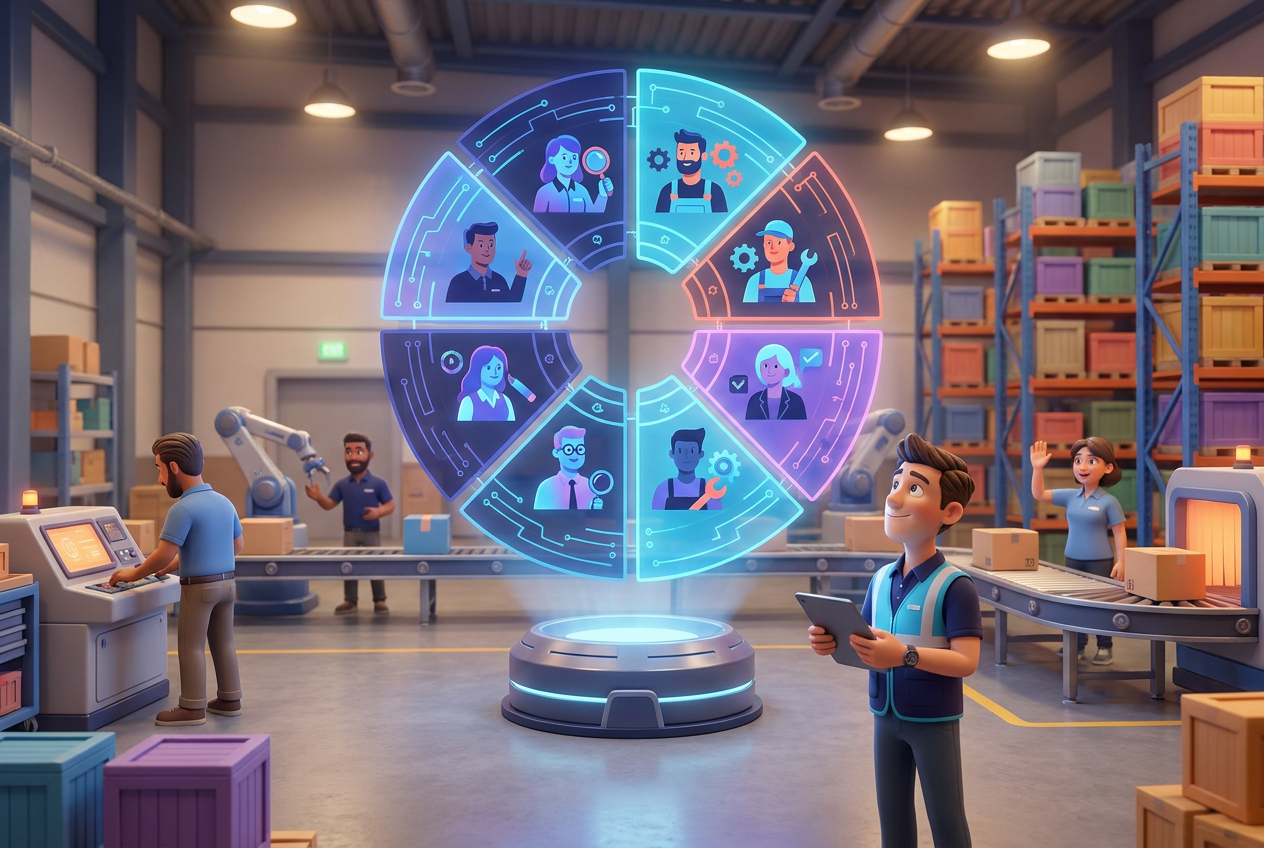
Behavioural hiring works by mapping specific personality traits to the core activities of a transport role. At Compono, we have spent over a decade researching how work personality impacts performance across different sectors. In transport, this means identifying whether a candidate is naturally inclined to follow strict procedures or if they are likely to cut corners when a delivery window is closing.
Consider the difference between a long-haul driver and a last-mile delivery courier. The long-haul role requires a high degree of independence and an ability to maintain focus over long, repetitive stretches. This role is often a natural fit for The Auditor, who is methodical, thorough, and finds satisfaction in maintaining order and compliance. Conversely, a last-mile role might require more agility and direct customer interaction, which can be a different challenge altogether.
By using understanding work personality as a primary filter, transport companies can move away from reactive hiring. Instead of simply filling a seat, you are placing a person in a role where their natural work preferences align with the daily demands of the job. This alignment is the foundation of long-term employee engagement and operational excellence.
Safety is the bedrock of the transport industry, but 'safety culture' is often treated as a vague concept rather than a measurable metric. Behavioural hiring changes this by allowing leaders to select for the specific traits that underpin a safe workplace. An explanation of safety culture shows that it is the sum of micro-decisions made by every member of the team every day.
When we assess candidates for transport roles, we look for 'The Doer' or 'The Auditor' profiles. The Doer is a dependable, consistent performer who is focused on facts and immediate tasks. They are practical and hands-on, ensuring that tasks are completed with precision. When you combine this with the methodical nature of an Auditor, you create a workforce that views safety checks and compliance as a core part of their identity rather than a nuisance to be avoided.
Compono helps transport businesses identify these traits early in the recruitment process. By using our platform to score and rank candidates based on their natural tendencies toward thoroughness and accuracy, you can build a team that is inherently risk-averse. This proactive approach to safety reduces the need for constant oversight and lowers the likelihood of costly incidents on the road.
The transport sector famously struggles with high turnover rates, often because new hires feel disconnected from the company's values or the reality of the work. Behavioural hiring addresses this by prioritising 'Organisation Fit' – a measure of how well a candidate's personality and values align with the team and the broader business environment.
Our research into why new hires fail suggests that most failures are due to a lack of cultural or behavioural alignment rather than a lack of skill. If you hire a highly imaginative 'Pioneer' for a role that requires strict adherence to a fixed route and heavy documentation, they will likely become disengaged and leave within the first 90 days. They aren't a 'bad' employee; they are simply in the wrong role for their personality.
By using behavioural insights, you can ensure that the people you bring into your fleet are prepared for the specific environment you operate in. Whether your culture is high-pressure and results-driven or focused on long-term stability and harmony, finding the right match reduces the 'churn and burn' cycle that exhausts HR teams and hurts the bottom line.
Implementing behavioural hiring allows transport HR leaders to move from a transactional mindset to a strategic one. Instead of constantly chasing the next available driver, you begin to act as a talent architect, building a fleet that is designed for performance. This shift is essential for mid-market companies looking to scale without losing their operational integrity.
Using a tool like Compono Hire enables this transition by automating the behavioural screening process. The system assesses candidates across dimensions of work personality, skills, and qualifications, providing a holistic view of every applicant. This means your hiring managers spend their time interviewing the candidates who are most likely to stay and succeed, rather than wading through a sea of unsuitable CVs.
In an industry as competitive as transport, the quality of your people is your greatest competitive advantage. Behavioural hiring provides the data you need to stop guessing and start knowing who is the right fit for your team. It’s a smarter, more scientific way to keep your business – and your fleet – moving in the right direction.
Key insights
- Behavioural hiring uses work personality data to predict safety compliance and role performance in transport.
- Identifying personalities like 'The Auditor' or 'The Doer' helps ensure candidates are naturally suited to methodical, high-stakes driving tasks.
- Focusing on organisation fit is the most effective way to combat high turnover rates in the logistics sector.
- Strategic recruitment in transport requires looking past the licence to the person behind the wheel.
Where to from here?
Choosing the right people for your fleet requires more than just a quick look at a driving record. By focusing on behavioural alignment and work personality, you can build a more resilient, safer, and more engaged workforce.
It identifies candidates with natural tendencies toward thoroughness, precision, and risk-aversion. By hiring people who are naturally methodical, like those with 'The Auditor' work personality, transport companies can reduce the human error and corner-cutting that often leads to safety incidents.
Yes, by ensuring a better match between the person and the role. When a driver's natural work preferences – such as a desire for routine or independence – match the actual demands of the job, they are far more likely to remain engaged and stay with the company long-term.
A logistics manager often needs to be an 'Evaluator' or a 'Coordinator'. These personalities are excellent at weighing up options, making logical decisions under pressure, and enforcing the structured systems required to keep a supply chain running efficiently.
While it may require an initial investment in the right tools, it is significantly cheaper in the long run. The cost of a single bad hire in transport – including recruitment fees, training, and potential safety incidents – far outweighs the cost of a behavioural assessment platform like Compono.
Absolutely. Behavioural hiring does not replace technical verification; it complements it. Technical skills tell you if a candidate can drive the truck; behavioural insights tell you if they will drive it safely, follow your procedures, and stay with your company.

1 min read
Hiring for team dynamics is the process of selecting candidates based on how their unique work personality and behaviours will complement existing...

1 min read
Legal services need behavioural hiring because technical expertise alone does not predict how a solicitor will handle high-pressure environments,...

1 min read
Utilities need culture fit hiring because the high-stakes nature of the industry requires employees who naturally align with rigorous safety...