

.webp)

 Compono


How to move HR from police to advisor
 Compono
Learn how to transition your HR function from a policing role to a strategic advisor. Discover how to build trust and drive business value with...

An HR strategic advisor is a senior people leader who aligns human resources initiatives with long-term business goals to drive organisational growth.
Key takeaways
- Strategic advisors move beyond administrative compliance to focus on workforce intelligence and long-term business impact.
- Building credibility requires a deep understanding of financial metrics, operational challenges, and the unique work personality of the team.
- Shifting to a strategic model involves using data-driven insights to predict talent needs rather than simply reacting to vacancies.
- Success in this role depends on the ability to coach executives and influence high-level decision-making through objective evidence.
For many people leaders, the daily grind of payroll queries, contract drafting, and policy updates can feel like a treadmill that never stops. While these functional tasks are the bedrock of any stable organisation, they often leave little room for the high-level thinking that actually moves the needle on business performance. You might find yourself wanting to contribute to the boardroom conversation, yet you are stuck in the weeds of transactional HR.
The gap between being a service provider and a true business partner is often a matter of perspective and data. To be recognised as an HR strategic advisor, you must change how you view the workforce – seeing it not just as a cost to be managed, but as a primary engine for competitive advantage. This transition requires a new set of tools and a shift in behaviour that prioritises long-term outcomes over immediate fires.
At Compono, we believe that the most effective HR leaders are those who can translate human behaviour into business results. By moving away from subjective gut feelings and toward objective workforce intelligence, you can start to provide the kind of counsel that CEOs and Boards actually crave. It is about becoming the person who doesn't just fill seats, but ensures the right people are in those seats to execute the company's five-year plan.
Before you can advise on strategy, you must understand the strategy you are advising on. Many HR professionals make the mistake of staying within the silo of 'people issues' without learning how the business actually makes money. To be a strategic advisor, you need to be as comfortable reading a P&L statement as you are reviewing an engagement survey. You need to know the customer journey, the competitive landscape, and the specific levers that drive profitability.
When you sit down with a department head, your value increases exponentially if you can speak their language. If the Sales Director is worried about churn, don't just talk about 'culture' – talk about how the Compono Culture, Engagement & Performance Model identifies the link between staff stability and revenue growth. This approach shows that you are focused on the same goals as the rest of the leadership team, rather than working on a separate HR agenda.
Strategic advisors also look for the 'why' behind the data. If productivity is dipping in a specific region, a functional HR manager might suggest more training. A strategic advisor will look at the workforce intelligence to see if there is a mismatch between the leadership style of the manager and the natural work personality of the team. They seek the root cause, not just the symptom, and offer solutions that align with the broader operational requirements of the business.
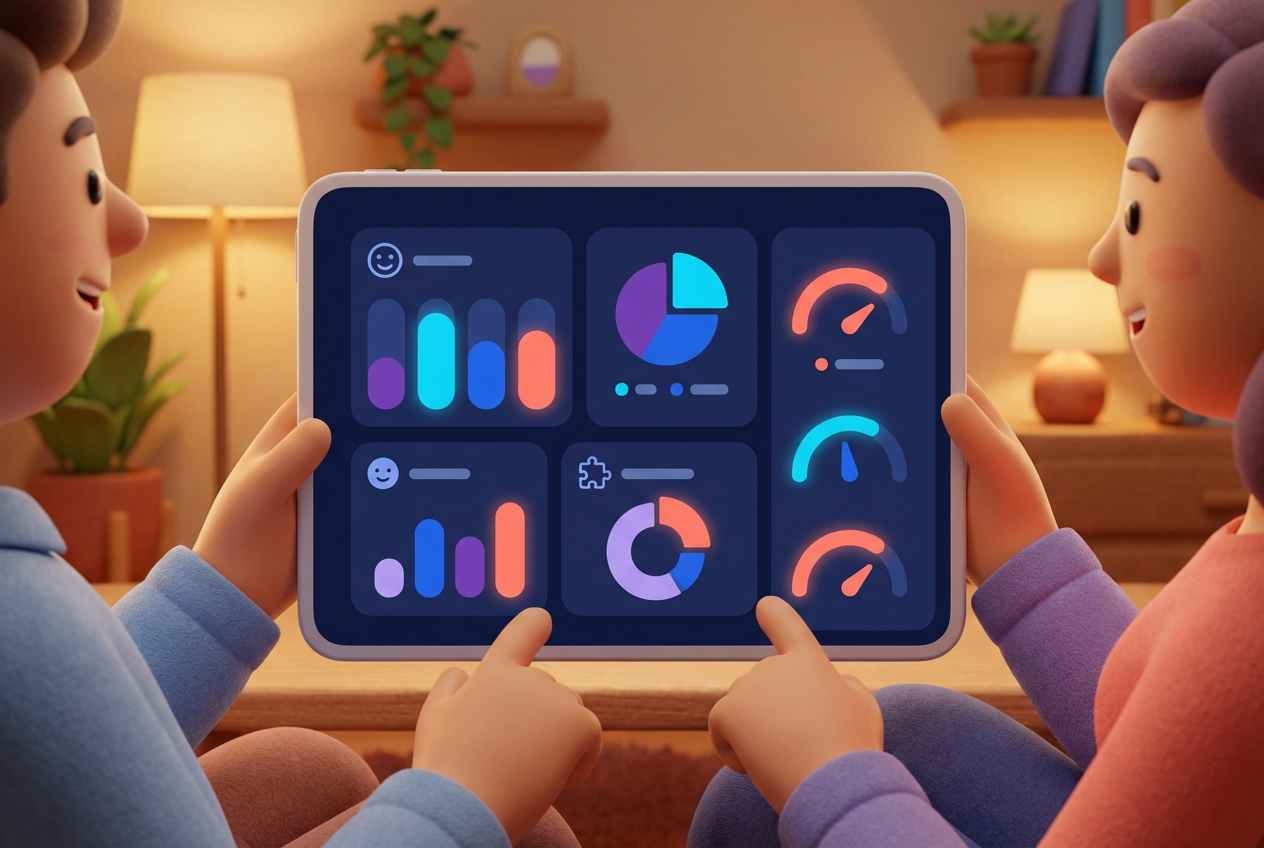
Data is the currency of the boardroom. If you want a seat at the table, you must bring evidence that is as robust as the figures provided by Finance or Operations. Transitioning to an HR strategic advisor role means moving from descriptive analytics – what happened – to predictive analytics – what will happen. This is where workforce intelligence becomes your most powerful asset.
Imagine being able to tell your CEO exactly which teams are at risk of burnout before the resignations start rolling in. Or showing them how a specific hiring profile has led to a 20% higher performance rate in technical roles. This level of insight is possible when you use the right platform to gather and analyse people data. At Compono, we help leaders move beyond basic metrics to understand the deeper layers of team dynamics and potential.
By using the Compono business platform, you can centralise your people data and uncover patterns that were previously invisible. Whether it is identifying skill gaps that will hinder a new product launch or recognising that your best performers all share a specific Pioneer trait, this data allows you to provide proactive advice. You are no longer just reporting on the past; you are helping to shape the future of the organisation.
One of the most difficult aspects of being an HR strategic advisor is managing the complex web of personalities within a leadership team. To influence a CEO, you need to understand how they process information. To coach a difficult manager, you need to know what motivates them. This is where a deep understanding of work personality types becomes essential for your own success.
For example, if you are presenting a new retention strategy to an executive who is an Evaluator, they will likely want to see the logical framework and risk analysis behind your proposal. They won't be swayed by anecdotes; they want the 'win' and the efficiency. Conversely, if you are working with a Campaigner, you should focus on the vision and how the project will inspire and energise the wider team.
When you understand these natural tendencies, your advice becomes more persuasive because it is tailored to the listener. You can facilitate better conflict resolution and team design because you can see the invisible friction points between different types. This ability to 'read the room' at a psychological level is what separates a standard HR manager from a high-level strategic advisor. You aren't just managing policies; you are orchestrating human potential.

Recruitment is often seen as a purely reactive function – a manager has a vacancy, and HR fills it. A strategic advisor flips this model. They work with the executive team to understand where the company wants to be in two or three years and then build a talent pipeline to get there. This involves 'strategic workforce planning' – ensuring the organisation has the right skills, in the right place, at the right cost.
This is where your choice of technology makes a significant difference. If your hiring process is purely about checking boxes on a CV, you will likely miss the cultural and behavioural alignment necessary for long-term success. Using a tool like Compono Hire allows you to assess candidates across multiple dimensions, including Organisation Fit and personality, ensuring that every new hire is a strategic addition to the team culture.
By showing the leadership team that you are hiring for future capability rather than just current capacity, you prove your strategic worth. You can demonstrate how a new hire in the engineering department will complement the existing team's work personality, perhaps by adding an Auditor to a group of creative types to ensure better quality control. This level of thinking shows that you are building a high-performing machine, not just filling a headcount.
Key insights
- The role of an HR strategic advisor is to bridge the gap between human behaviour and commercial outcomes.
- Strategic influence is built on the foundation of objective data and a deep understanding of the company's financial drivers.
- Tailoring your communication to the work personality of executive stakeholders increases the likelihood of strategy adoption.
- Moving from reactive recruitment to strategic talent acquisition ensures the workforce is prepared for future market shifts.
- Technology should be used to provide workforce intelligence that predicts risks and identifies opportunities for growth.
Transitioning into a strategic role is a journey of continuous learning and data mastery. If you are ready to start providing deeper insights to your leadership team, we can help you get there.
An HR Manager typically focuses on the day-to-day operations, compliance, and employee relations within the existing framework. An HR Strategic Advisor looks ahead, using workforce data to align people strategies with the long-term commercial goals of the business.
Start by bringing data to every conversation. Instead of saying 'the team feels unhappy,' show engagement scores linked to productivity metrics. When you speak the language of the business – focusing on revenue, risk, and growth – your credibility as an advisor increases.
While advanced HR certifications are helpful, the most important 'qualification' is business acumen. You need to understand how your specific industry works and how human capital impacts the bottom line within that context.
Technology provides the workforce intelligence required to make objective decisions. Without a platform like Compono to track work personality, engagement, and performance, an advisor is forced to rely on guesswork, which is rarely accepted in the boardroom.
The key is to automate or simplify the administrative work as much as possible. By using integrated platforms for hiring and engagement, you free up the mental bandwidth and time needed to focus on high-level strategic planning and executive coaching.

Learn how to transition your HR function from a policing role to a strategic advisor. Discover how to build trust and drive business value with...

What Adelaide employers should ask HR software vendors about recruitment, onboarding and reporting, plus the costs that appear after signing.
The HR software costs that never appear on the quote: integration work, manual reconciliation, duplicate data entry, and insight you never get.
 Mathan Allington