
.webp?width=559&height=292&name=2026.07.21%20Fireside%20KV%20-%201200x627%20(event%20featured).webp)
.png?width=383&height=200&name=team%20(1).png)
 Compono


1 min read
Understanding 'Work Personality': a smarter way to make hiring decisions
 Mathan Allington
Work Personality is a way of understanding candidates by how they naturally work, not just what their CV says they have done. It looks at behaviour,...

Culture fit hiring in not for profits works by identifying candidates whose personal values and work behaviours align with your organisation's mission and team dynamics.
While traditional hiring focuses on what a person can do, culture fit in the NFP sector looks at how they will do it and why they care. This process ensures that new hires are not only technically capable but also deeply committed to your cause, reducing turnover and protecting the emotional health of your workforce.
Key takeaways
- Culture fit in not for profits goes beyond shared passion to include alignment with specific team work styles.
- Effective hiring in this sector requires balancing mission-driven values with objective behavioural data.
- Using work personality assessments helps identify if a candidate will thrive in the collaborative or high-pressure environments common in NFPs.
- NFPs must define their culture clearly before hiring to avoid unconscious bias and ensure genuine team alignment.
In the not for profit sector, every hire feels personal. You aren't just filling a seat; you are bringing someone into a community dedicated to making a difference. However, many organisations fall into the trap of assuming that a shared passion for the cause is enough to guarantee a successful hire. This is a common reason why new hires fail, particularly in mission-driven environments where burnout is a real risk.
The problem is that passion doesn't always translate to productivity or team harmony. You might find a candidate who loves your mission but prefers a highly structured, directive environment, while your team operates with a flexible, non-directive style. Without a system to measure these nuances, you are essentially guessing. Culture fit hiring works when you move beyond the 'vibe' and start looking at the actual work personality of your candidates.
Before you can hire for culture fit, you need to know what your culture actually is. In a not for profit, culture is often a mix of the overarching mission and the micro-decisions made by the team every day. It is the difference between a high-energy campaigning environment and a quiet, methodical research centre. Both might be working toward the same goal, but the daily experience of working in them is vastly different.
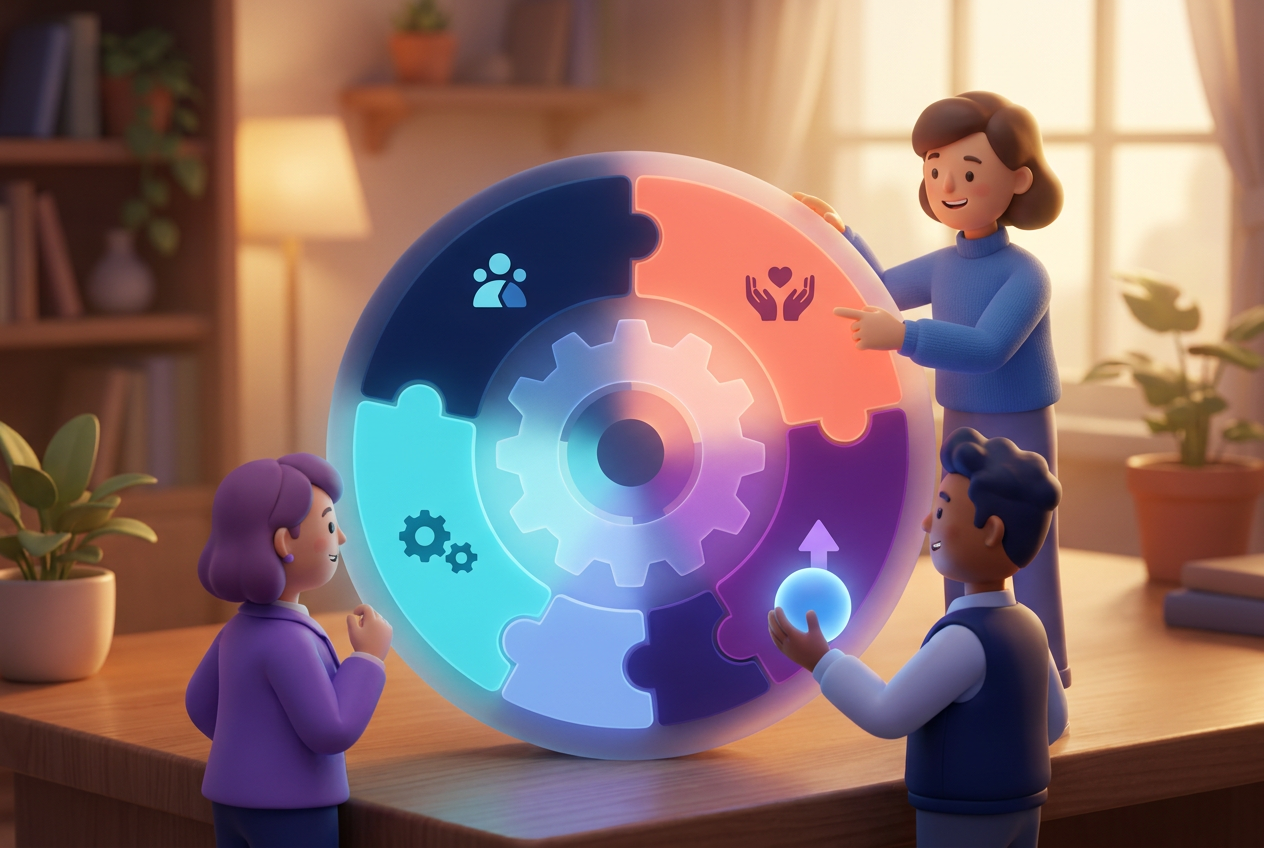
We recommend looking at your team through the lens of work personality. For instance, does your current team have a lot of Helpers who focus on empathy and support? Or are you a group of Pioneers constantly looking for new ways to solve old problems? Understanding these traits allows you to identify exactly what is missing or what will clash. True culture fit hiring is about finding the piece that completes the puzzle, not just more of the same.
In many not for profits, teams are small and resources are lean. This means that personality clashes aren't just an inconvenience – they can derail an entire project. Culture fit hiring works by predicting how a candidate will interact with existing team members. For example, if your team lead is an Evaluator who values logic and efficiency, bringing in a highly enthusiastic Campaigner might create friction if the expectations around decision-making aren't clear.
This is where Compono helps. By using psychometric insights, we allow you to see how a candidate’s natural work preferences align with your current team's makeup. This isn't about excluding people who are different; it is about knowing how to manage those differences from day one. When you understand that a Doer needs clear, concrete tasks to feel successful, you can set them up for a win in a way that a generic job description never could.
One of the biggest criticisms of culture fit hiring is that it can lead to a 'mini-me' syndrome, where everyone looks and thinks the same. In the NFP world, diversity is crucial for innovation and reaching the communities you serve. The secret to making culture fit work without sacrificing diversity is to focus on behavioural alignment rather than social similarity. You aren't looking for someone who shares your hobbies; you are looking for someone who shares your work ethics and communication needs.
This is why the balance between culture fit and diversity in hiring is so important. By using objective data from Compono Hire, you can assess candidates on their Organisation Fit and personality traits without letting unconscious bias creep in. You might find that a candidate from a completely different professional background is actually a perfect fit for your team’s collaborative style. This evidence-based approach ensures your culture remains strong while your team remains diverse.
To make culture fit hiring work in your not for profit, you need to weave it into every stage of your recruitment. It starts with the job ad – clearly stating your values and the type of environment you have. It continues through the assessment phase, where you use tools to measure work preferences. Finally, it culminates in the interview, where you ask behavioural questions designed to reveal how a candidate handles the specific pressures of your sector.
At Compono, we have seen that teams who prioritise this alignment report higher engagement and lower stress. When a new hire feels like they truly belong, they are more resilient in the face of the challenges NFPs often face. They don't just show up for the cause; they show up for the team. By focusing on workforce intelligence, you can build a team that is not only passionate but also high-performing and sustainable over the long term.
Key insights
- Culture fit hiring in NFPs requires a shift from gut feel to objective behavioural data.
- Understanding the eight work personalities allows leaders to build more balanced and resilient teams.
- Alignment between a candidate's work style and the team's leadership style is a primary predictor of long-term success.
- Diversity thrives when culture fit is defined by work behaviours rather than social or demographic similarities.
Building a mission-driven team is one of the most rewarding challenges in leadership. When you get the culture fit right, you create an environment where passion is supported by performance. This ensures your organisation can continue its vital work without the constant disruption of high staff turnover.
The best way to avoid bias is to use objective psychometric assessments that focus on work behaviours and preferences rather than personal interests. By defining the specific traits your team needs – such as collaboration or detail-orientation – you can score candidates against those requirements fairly.
Not at all. Culture fit is about how people work together, not having identical personalities. A healthy team often needs a mix of types, like a Campaigner to sell the vision and an Auditor to ensure the details are correct. The 'fit' comes from understanding and respecting these different roles.
NFPs often involve high-pressure work and emotional labour. If a new hire doesn't align with the team's communication style or support needs, they are much more likely to experience burnout. Finding a good fit protects both the individual and the organisation's mission.
While you can teach processes and values, fundamental work personalities are usually quite stable. It is much easier to hire someone whose natural tendencies align with your team than to try and change someone's core work style after they have started.
Start by assessing your current high-performing team members. Look for common work personalities and communication styles. Once you understand what makes your current team successful, you can use those insights to create a benchmark for new candidates.

1 min read
Work Personality is a way of understanding candidates by how they naturally work, not just what their CV says they have done. It looks at behaviour,...

1 min read
Hiring managers use work personality tests to identify the natural work preferences of candidates, ensuring they have the right mix of motivations...

1 min read
Behavioural hiring matters because it allows you to predict future performance based on past actions and natural tendencies rather than relying on...
 Compono