

.webp)

 Compono


Competency framework software for banking in New Zealand
 Compono
How competency framework software helps New Zealand banks manage compliance, close skill gaps and build stronger finance teams.

The best competency framework software vendors for Northern Territory organisations provide a digital bridge between raw skills data and strategic workforce planning, allowing leaders to map, measure, and develop talent with precision.
Choosing a vendor requires looking beyond basic feature lists to find a partner that understands the unique geographical and operational challenges of the region, from supporting remote teams to managing high-turnover industries. In this guide, we explore how to evaluate technology partners to ensure your framework doesn't just sit in a drawer but actively drives team performance and engagement.
Key takeaways
- Competency framework software must offer more than static lists; it should provide dynamic insights into real-time skill gaps across your workforce.
- Effective vendors prioritise user experience to ensure that busy managers and employees actually engage with the development tools provided.
- Integration with existing HR systems is essential for creating a single source of truth for talent data and performance metrics.
- The right software helps transition HR from a transactional cost centre to a strategic partner by providing data-backed workforce intelligence.
Many organisations in the Northern Territory still rely on spreadsheets or static documents to track employee skills. While this might work for a team of ten, it quickly becomes a nightmare as you scale. Data becomes siloed, version control fails, and the moment a team member gains a new qualification, the document is out of date. This manual approach makes it nearly impossible to see the bigger picture of your organisation's health.
When you can't see where your skill gaps are, you can't hire effectively or plan for succession. This often leads to reactive hiring – where you are simply filling a hole rather than building a team. We've seen how this pressure can lead to common pitfalls, which is why understanding why new hires fail is often the first step in realising you need a better system for defining what success looks like in every role.
Not all software is created equal. When evaluating vendors, you need to look for a platform that treats competencies as living data points. The software should allow you to define specific behaviours, technical skills, and cultural attributes required for every position. This creates a clear roadmap for both the manager and the employee, removing the ambiguity that often leads to disengagement.
A modern platform should also include psychometric insights to understand the 'how' behind the 'what'. For example, Compono Hire uses science-based assessments to look at organisation fit and work personality alongside traditional skills. This ensures that the people you bring in aren't just competent on paper, but are also a natural match for your team's unique culture and pace.
A competency framework is only as good as the development it inspires. The best vendors offer a platform that links directly to learning and development. If a manager identifies a gap in a specific competency during a performance review, the software should ideally suggest the exact training required to close that gap. This creates a continuous loop of feedback and growth that keeps your best people from looking elsewhere.
This is where workforce intelligence becomes a competitive advantage. By using a platform like Compono Develop, you can ensure that your team's learning is always aligned with the competencies your business needs most. It moves the conversation from 'what training have you done?' to 'what skills have we mastered as a team?'. This shift is vital for maintaining a high-performing culture in competitive markets.
For organisations operating across the Northern Territory, the ability to manage talent remotely is a non-negotiable. Your software vendor must provide a cloud-based solution that is accessible from anywhere, whether that's a central office in Darwin or a remote site in the Red Centre. The interface needs to be intuitive enough for a diverse range of employees to use with minimal training.
Consistency is key. When you have a single platform for competencies, every employee – regardless of their location – knows exactly what is expected of them. This transparency builds trust and levels the playing field for promotions and career progression. It also allows leadership to see a 'heat map' of talent across the entire region, making it easier to deploy resources where they are needed most during peak periods or project rollouts.
Traditional competency frameworks often focus heavily on 'hard' skills – things like technical certifications or years of experience. However, the most successful teams are built on 'soft' competencies like adaptability, communication, and problem-solving. These are much harder to measure with a standard checklist, which is why leading vendors are integrating work personality data into their platforms.
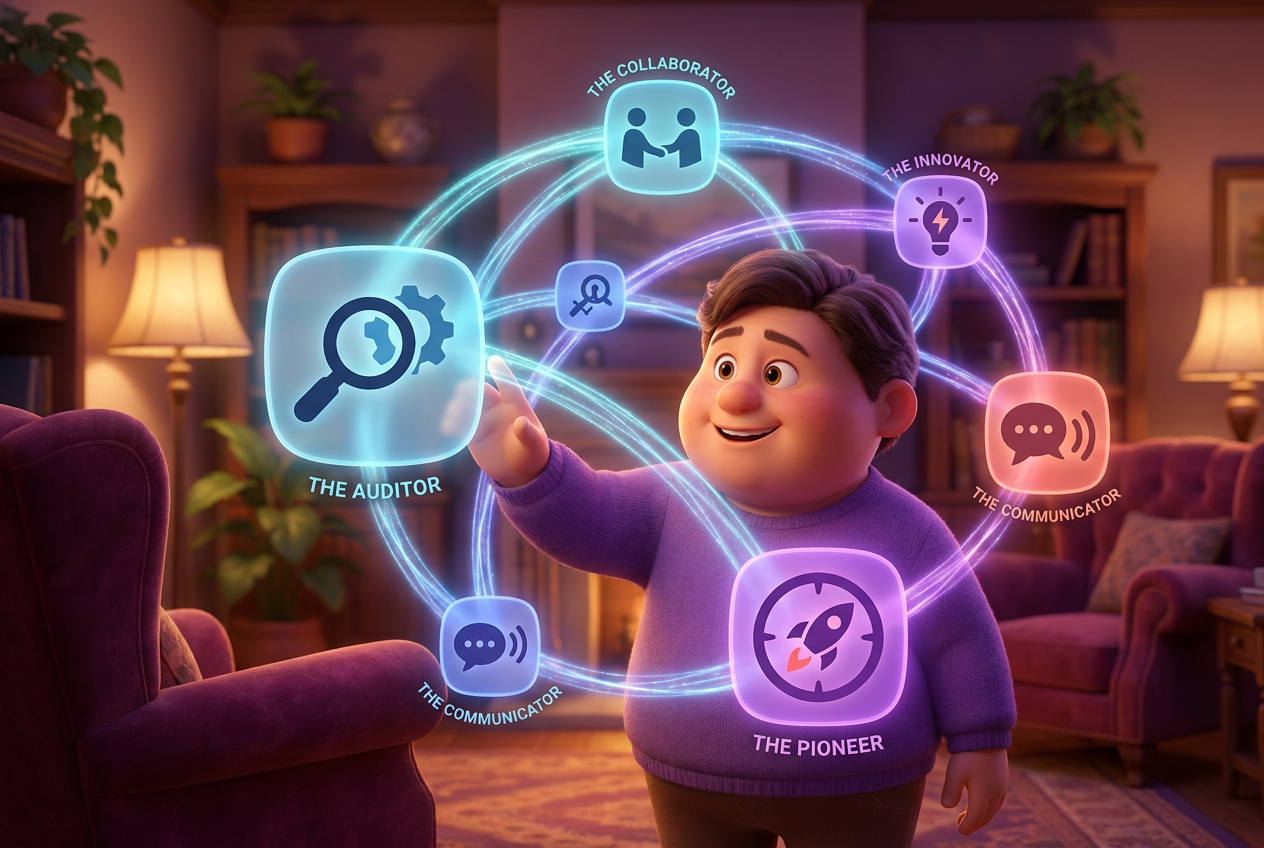
Understanding these traits allows you to build more balanced teams. For instance, you might need a The Auditor for their methodical precision in a compliance role, or a The Pioneer to drive innovation in a new project. By mapping these personalities against your competency framework, you gain a much deeper understanding of why certain teams thrive while others struggle.
Key insights
- Competency framework software is the foundation of a data-driven HR strategy, replacing guesswork with workforce intelligence.
- The best vendors provide tools that link skill assessments directly to personalised learning and development pathways.
- Successful implementation requires a platform that balances technical skills with work personality and behavioural insights.
- Choosing a vendor with a strong focus on user experience ensures higher adoption rates and more accurate talent data.
Building a robust competency framework is a journey that starts with the right technology partner. By moving away from manual tracking and embracing a science-based platform, you can gain the insights needed to build, engage, and retain a high-performing workforce.
A competency framework software vendor provides a digital platform that helps organisations define, track, and manage the specific skills and behaviours required for different roles. This technology replaces manual spreadsheets and ensures talent data is always current and actionable.
By providing clear career pathways and identifying specific areas for growth, the software shows employees exactly how they can progress within your organisation. When people feel there is a clear plan for their development, they are much more likely to stay engaged and loyal.
Most leading vendors offer integrations with common HR systems. This allows for a seamless flow of data between your employee records and your competency framework, ensuring that updates in one system are reflected in the other without manual data entry.
While often used by mid-market and enterprise companies, any organisation looking to scale or improve their team performance can benefit. The key is to find a vendor that offers flexible plans that can grow alongside your business.
A skill is a specific ability to perform a task, while a competency is a broader set of related behaviours, skills, and knowledge that enable a person to act effectively in a job. Competency software helps you map both to ensure a holistic view of employee performance.

How competency framework software helps New Zealand banks manage compliance, close skill gaps and build stronger finance teams.

Conducting a competency framework software comparison? Learn how to evaluate platforms that map behavioural traits to performance and drive team...

How to track compliance training completion without spreadsheets. Keep certifications current, automate reminders, and reduce audit and safety risk.
 Mathan Allington